The evolution of gambling a historical perspective on risk and chance
The Origins of Gambling
The history of gambling can be traced back thousands of years to ancient civilizations. Archaeological evidence suggests that as early as 3000 BCE, the Chinese were already using rudimentary dice for games of chance, highlighting the innate human fascination with risk and unpredictability. Similarly, artifacts from ancient Egypt point to gambling practices among the pharaohs, where games were often linked to religious rituals and served as a means of divining the future. Today, many players prefer using services like casino neosurf to enjoy safe betting experiences.
In ancient Rome, gambling became a popular pastime among soldiers and citizens alike. The Romans engaged in betting on chariot races and gladiatorial games, often leading to significant social and economic repercussions. The social acceptance of gambling during these times reflects an early understanding of risk, where the thrill of chance was balanced by the potential for loss, laying the groundwork for modern gambling psychology.
The evolution of gambling continued through the Middle Ages, where the introduction of card games in Europe marked a significant shift. These games offered new complexities and strategies that further captivated players. As gambling evolved through these early stages, it developed into a multifaceted industry, intertwining with societal values and beliefs about luck, fate, and chance.
Gambling in the Modern Era
The 17th and 18th centuries witnessed a transformation in gambling with the rise of established casinos, particularly in Europe. The first official casino, the Casino di Venezia, opened its doors in Italy in 1638, providing a formal environment for gambling and attracting a wide range of clientele. This era emphasized the need for regulation and fairness, pushing gambling from informal gatherings into recognized establishments with rules and structure.
The emergence of lotteries during this period also played a crucial role in shaping modern gambling. Lotteries provided a state-sanctioned method of gambling, allowing governments to generate revenue while providing citizens with opportunities to win substantial prizes. This societal acceptance of gambling as both entertainment and a potential source of income marked a critical turning point in the perception of risk and chance.
In the 19th century, the expansion of gambling continued with the establishment of racetracks and betting parlors, especially in the United States. The Gold Rush era brought a surge in gambling as prospectors sought their fortunes. This period illustrated the connection between risk and reward, where individuals placed bets not only on games but also on their own fortunes in life, demonstrating a burgeoning understanding of the psychology behind gambling behavior.
The Influence of Technology on Gambling
The advent of technology in the 20th century dramatically changed the landscape of gambling. The introduction of slot machines in the late 1800s added an element of automation to gambling, appealing to a broader audience. These machines allowed players to engage in games of chance without the need for extensive knowledge or skills, thus democratizing the gambling experience and making it more accessible to the masses.
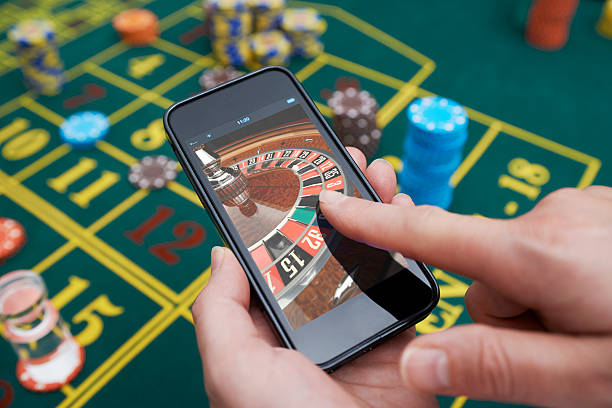
The digital revolution further accelerated this trend, leading to the rise of online gambling in the late 1990s. Virtual casinos provided players with the convenience of gambling from home while retaining the thrill associated with traditional casinos. This shift expanded the gambling demographic, allowing individuals from various backgrounds to engage in risk-taking behavior without geographical limitations.
Moreover, advancements in technology have facilitated innovations like mobile gambling, enabling players to place bets anywhere at any time. This accessibility raises questions about impulse control and the psychological factors that drive gambling behavior, emphasizing the complex relationship between risk, chance, and technology in modern gambling practices.
The Psychology Behind Gambling
Understanding the psychology of gambling is essential to comprehending its evolution. Many gamblers are drawn to the excitement and adrenaline rush associated with risk-taking, often leading to a phenomenon known as “loss chasing.” This behavior reflects a cognitive bias where individuals believe they can recover losses through continued gambling, illustrating the intricate psychological dynamics at play.
Additionally, the concept of “near misses” plays a significant role in gambling psychology. Players often experience a sense of hope and optimism when they come close to winning, reinforcing their desire to gamble despite the odds. This psychological mechanism can contribute to habitual gambling, as individuals may overlook the statistical realities of chance in favor of emotional satisfaction.
Furthermore, social influences and peer pressure can impact gambling behavior. Many individuals gamble not only for personal gain but also for social bonding and acceptance. This interplay between individual psychology and social dynamics highlights the complex motivations behind gambling, influencing its evolution from ancient rituals to modern-day gambling as both a leisure activity and a serious addiction.
The Future of Gambling
The future of gambling appears to be heading towards further integration of technology, with innovations like virtual and augmented reality promising to revolutionize the gambling experience. These technologies aim to create immersive environments that enhance the excitement and engagement of traditional gambling games, potentially attracting a younger audience interested in new experiences.
Regulatory frameworks are also evolving to address the challenges posed by online gambling. Governments worldwide are beginning to implement stricter regulations to protect consumers and ensure fair play, which reflects an increasing awareness of the potential risks associated with gambling addiction and other negative consequences. As public awareness grows, the need for responsible gambling practices becomes imperative.
Moreover, the conversation surrounding gambling is evolving, focusing more on mental health and support systems for those struggling with gambling addiction. Initiatives aimed at promoting responsible gambling and providing resources for individuals in need signify a shift towards a more ethical approach within the industry, addressing the psychological aspects of gambling and emphasizing the importance of understanding risk and chance responsibly.
Engaging with the Gambling Community
For those interested in exploring the diverse world of gambling, reputable online platforms like Neosurf Casino Australia offer a safe and convenient space to engage with various gambling options. These platforms prioritize security and user experience, allowing players to navigate a wide array of games without compromising their personal information. Here, players can find enticing bonuses and promotions that enhance their gaming experience.
The gambling community thrives on shared experiences, knowledge exchange, and the thrill of chance. Online casinos, like Neosurf, provide a user-friendly interface that caters to both novice and seasoned players. With instant deposit capabilities, engaging in games like pokies and table games becomes seamless, encouraging a rich gaming culture focused on enjoyment and responsible engagement.
As the gambling landscape continues to evolve, platforms that prioritize safety and player satisfaction will play a crucial role in shaping the future of gambling. Engaging with a community that values responsible gambling practices ensures a more sustainable and enjoyable experience, fostering an environment where players can appreciate the balance of risk and chance in their gaming adventures.